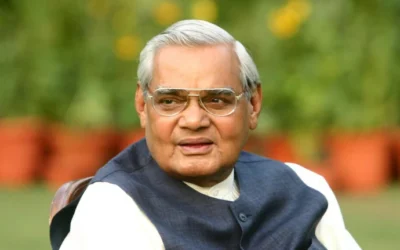
Today, under the visionary leadership and guidance of Indian Prime Minister Shri Narendra Modi and the Prime Minister of New Zealand, Chris Luxon, the Free Trade Agreement (FTA) between India and New Zealand has been finalized in an unconventionally short period of just nine months. This achievement reflects the strong political commitment and mutual trust between the two governments, primarily driven by close coordination and cooperation at the ministerial level, with significant support from Todd McClay, the New Zealand Minister.
This agreement marks a historic phase in India–New Zealand relations, setting a new benchmark for modern, resilient, and forward-looking trade partnerships.
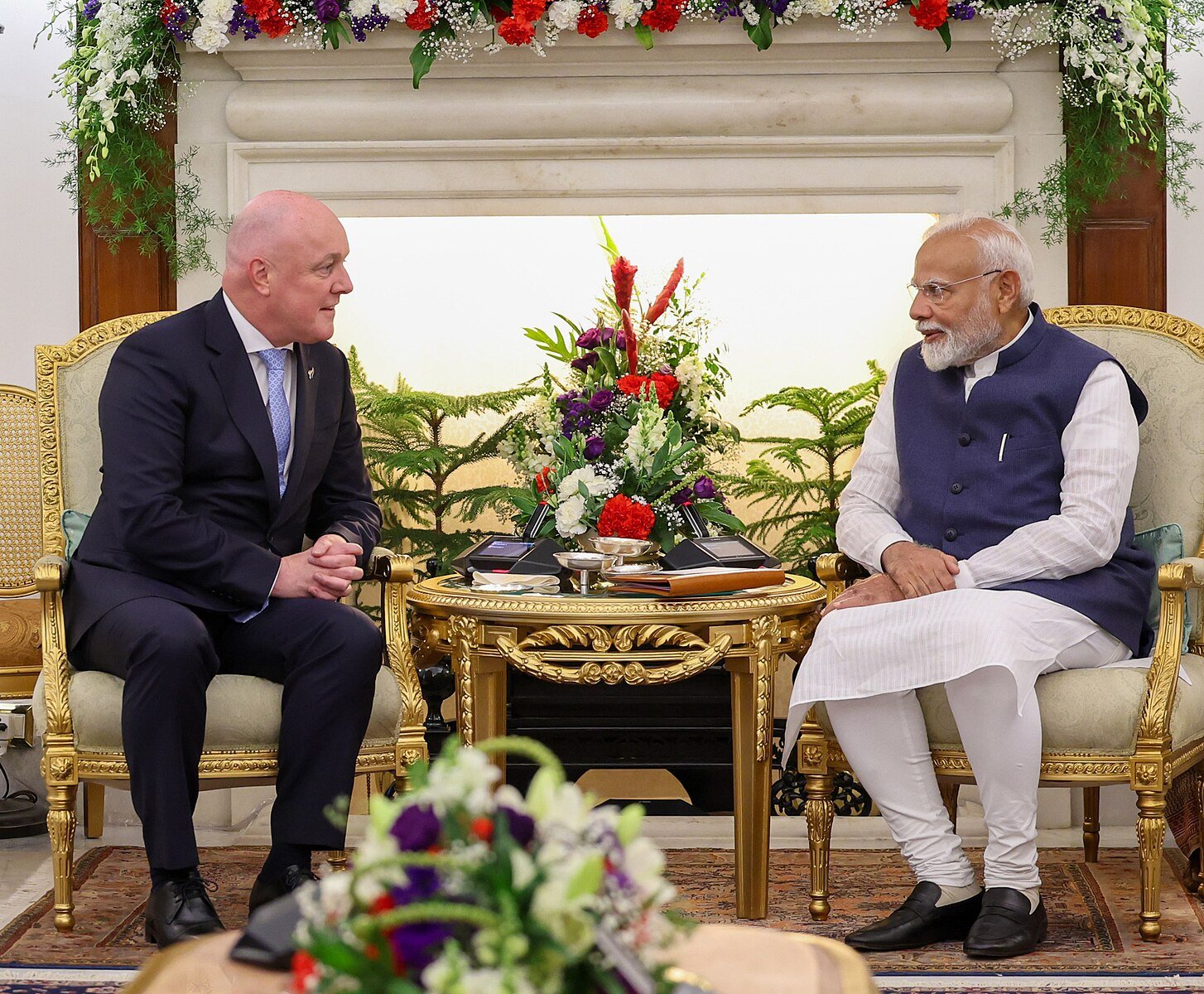
Prime Minister of Bharat, Shri Narendra Damodardas Modi with Prime Minister of New Zealand, Mr. Christopher Luxon
Zero-Duty Market Access and Trade Facilitation
The India–New Zealand Free Trade Agreement has far-reaching economic implications. Once the agreement comes into force, it will provide zero-duty market access on 100 percent of Indian exports to New Zealand. This development is expected to significantly enhance India’s export competitiveness by eliminating tariff barriers.
The agreement also promotes a predictable and transparent business environment for enterprises in both countries, fostering greater confidence and stability in bilateral trade. India stands to benefit substantially from this improved market access and facilitation framework.
Inclusive Growth and Sectoral Benefits
One of the most significant features of this agreement is its strong focus on inclusive growth. The benefits arising from the India–New Zealand FTA are expected to reach farmers, micro, small, and medium enterprises (MSMEs), workers, artisans, women-led enterprises, and youth.
Labour-intensive sectors such as textiles, garments, leather, and footwear are expected to gain considerably. At the same time, high value-added sectors including engineering and manufacturing, automobiles, electronics, machinery, plastics, pharmaceuticals, and chemicals are also likely to see notable growth under this trade framework.
Investment Expansion and Economic Confidence
Beyond trade in goods, the agreement provides a major boost to bilateral investment flows. New Zealand has agreed to facilitate USD 20 billion in foreign direct investment (FDI) into India over the next fifteen years. These investments will focus on key sectors such as manufacturing, infrastructure, services, innovation, and employment generation.
This commitment reflects strong global confidence in India’s growth story and its potential as a long-term investment destination.
Strengthening Agricultural Cooperation
Agriculture plays a prominent role in the agreement, with special emphasis on empowering Indian farmers to access global markets. The FTA opens new export opportunities in New Zealand for Indian agricultural products, including fresh fruits, vegetables, coffee, spices, cereals, and processed foods.
In addition, collaborative initiatives such as the Agricultural Productivity Partnership and the establishment of Centres of Excellence will enable Indian farmers to adopt advanced agricultural practices and technologies from New Zealand. These efforts are expected to improve productivity, yields, and farm incomes.
Technology Transfer and Horticulture Development
Targeted efforts to support horticultural crops further strengthen the agricultural dimension of the agreement. Products such as honey, kiwifruit, and apples will benefit from enhanced knowledge-sharing and technology transfer.
This approach supports value addition, crop diversification, and sustainable agricultural development. By combining market access with capacity building and technological cooperation, the agreement ensures both short-term gains and long-term resilience for the agricultural sector.
Protection for Farmers and Domestic Industries
At the same time, the Indian government has adopted a pragmatic and balanced approach to safeguard domestic sensitivities. To protect farmers, MSMEs, and local industries, several critical products have been excluded or protected under the agreement.
These include dairy products, sugar, coffee products, spice products, edible oils, precious metals such as gold and silver, precious metal scrap, copper cathodes, and rubber-based products. These safeguards ensure that economic liberalization proceeds without compromising domestic stability.
Services Sector Opportunities and Mobility
The services sector is another major beneficiary of the India–New Zealand Free Trade Agreement. The agreement expands opportunities across a wide range of services, including information technology and IT-enabled services, finance, education, tourism, and construction.
Notably, New Zealand has introduced its first annexes on health, traditional medicines, student mobility, and post-study work. This creates unprecedented opportunities for Indian professionals, students, and service providers.
Enhanced mobility provisions are a key highlight. These include working holiday visas, post-study work arrangements, and a special allocation of 5,000 temporary work visas for skilled Indian professionals. These measures will help address skill shortages in New Zealand while offering Indian talent global exposure, competitive wages, and long-term career growth.
Overall, the India–New Zealand Free Trade Agreement represents a forward-looking and mutually beneficial partnership. It strengthens economic ties, promotes inclusive and sustainable development, and deepens cooperation across trade, investment, agriculture, and services.
By aligning economic growth with development objectives, the agreement contributes meaningfully to the vision of “Viksit Bharat 2047.” It also reinforces New Zealand’s role as a trusted and strategic economic partner in the Indo-Pacific region.
This landmark agreement stands as a testament to what can be achieved through collaboration, shared values, and a collective commitment to mutual prosperity, development, and progress.