Somnath Temple: The Eternal Flame of India’s Soul
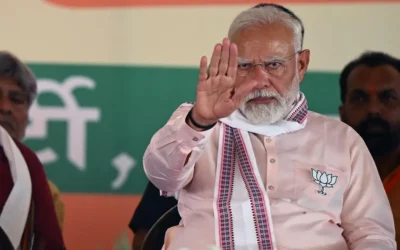
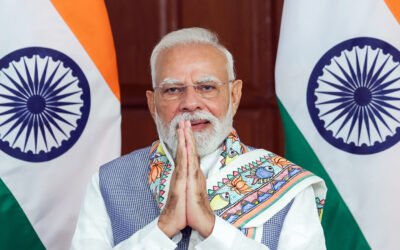
On the rugged shores of Prabhas Patan in Gujarat, where the Arabian Sea crashes eternally against the land, stands the Somnath Temple, a majestic sentinel of faith. As Prime Minister Narendra Modi reflects in his poignant speech marking a millennium since the temple’s first major assault, “Somnath… hearing this word instils a sense of pride in our hearts and minds. It is the eternal proclamation of India’s soul.” PM Modi, who also serves as chairman of the Shree Somnath Trust, describes this sacred site not as a mere structure of stone, but as a living testament to India’s indomitable spirit. PM Modi said, there can be no better example of our civilisation’s resilience than Somnath, which “stands gloriously, overcoming odds and struggle.
Spiritual Legacy and Origin
The importance of Somnath runs deep in the veins of Indian civilisation. It is the first among the twelve Jyotirlingas, divine manifestations of Lord Shiva as pillars of light, mentioned in the ancient Dwadasha Jyotirlinga Stotram: “Saurashtre Somanatham Cha.” According to legend, Shiva was given the name “Somnath”, Lord of the Moon, because the Moon God himself, dimmed and cursed, was worshipped here to restore his lustre. It is praised in ancient texts like the Shiva Purana and Skanda Purana as a place where desires are satisfied, sins are forgiven with a simple darshan, and the soul finds freedom. The sacred Triveni Sangam of the rivers Hiran, Kapila, and the legendary Saraswati has attracted pilgrims for millennia due to its spiritual allure. When Swami Vivekananda visited in the 1890s, he was deeply moved, and in a lecture, he said that temples such as Somnath teach “volumes of wisdom” about the history of India, bearing marks of “a hundred attacks and a hundred regenerations.”
Waves of Invasion and Destruction
However, Somnath Temple’s tale is one of great struggles mixed with victorious rebirths. Consider the year 1026: Driven by malicious intentions of looting & destruction, Mahmud of Ghazni storms this prosperous shrine. A heartbreaking scene is depicted in historical accounts, treasures looted, the linga broken, and thousands of people defending the temple. As PM Modi notes, the tales are so painful that ‘the heart trembles’ reading them. But this was not the end; it was the beginning of a cycle. Over centuries, invaders, Alauddin Khilji’s forces in 1299, Zafar Khan in 1395, and even Aurangzeb in 1706, razed it repeatedly, perhaps six or seven times. Each assault aimed to break not just the stone, but the spirit of the temple Somnath Temple.
Rebuilding Through Centuries
PM Modi said that despite so many brutal attacks each time, the Somnath Temple rose back. Kings like Kumarapala of the Solankis in the 12th century, Mahipala Deva, and even Ahilyabai Holkar in the 18th century poured their resolve into rebuilding it grander. The people of India, the ardent devotees, artisans, and rulers, refused to let hate prevail. As Modi ji beautifully puts it, the aggressors are now ‘dust in the wind,’ footnotes in history, while Somnath radiates eternally. This is the deeper ethos: destruction may strike momentarily, but faith creates for eternity.
Post-Independence Revival and National Resolve
This resilience echoed powerfully after Independence. In 1947, amid the chaos of Partition, Sardar Vallabhbhai Patel visited the ruins during Diwali. Moved deeply, he vowed reconstruction as a symbol of national revival. Despite ideological debates, PM Modi recalls how some, including Jawaharlal Nehru, were not enthused, fearing it might send a ‘bad impression’. Patel pressed on, with K.M. Munshi’s unwavering support. Mahatma Gandhi blessed the effort, insisting that funds come from the public. Tragically, Patel did not live to see it, but on 11 May 1951, President Rajendra Prasad inaugurated the temple, declaring: “The power of reconstruction is always greater than the power of destruction.”
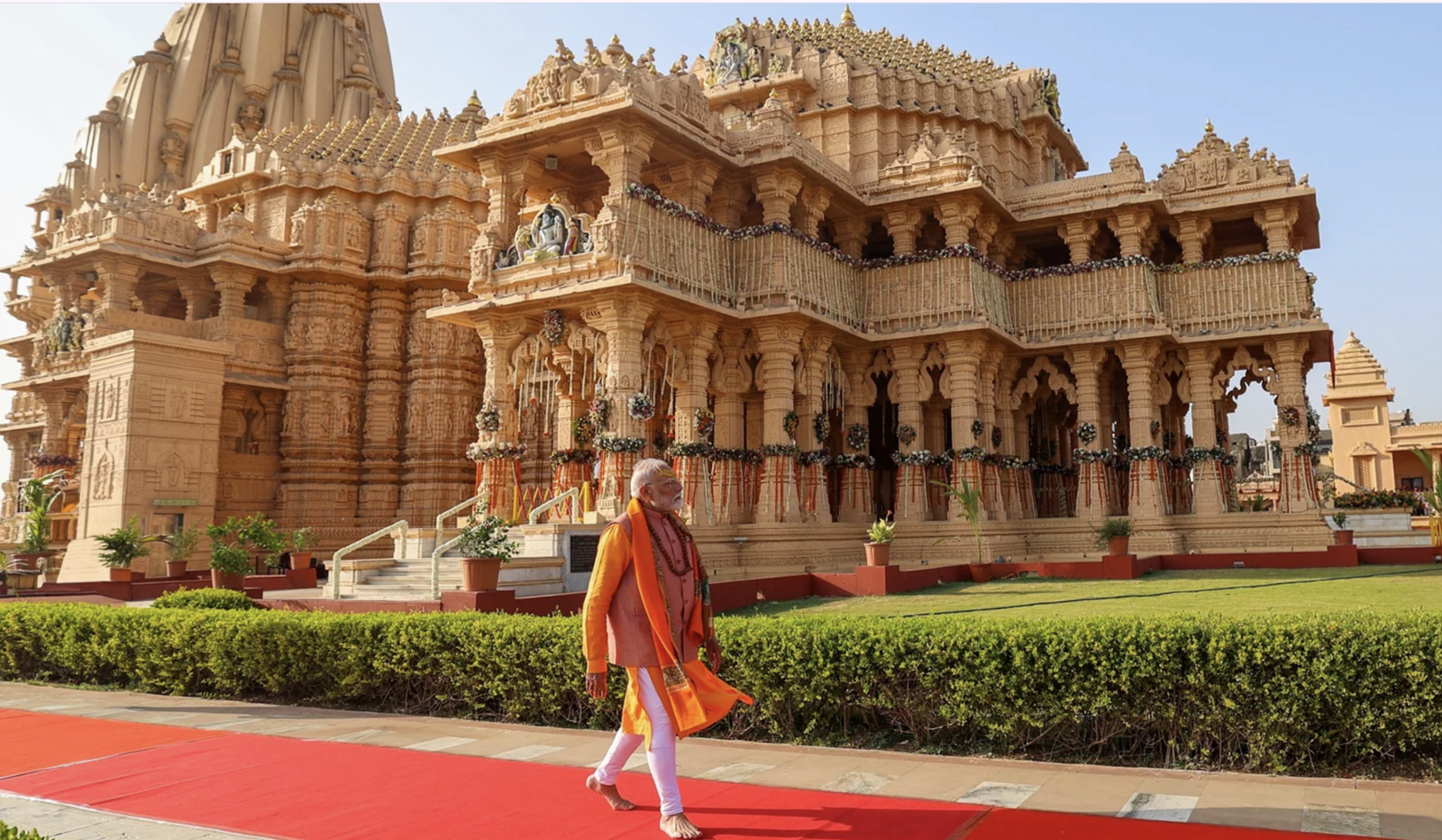
Somnath Temple’s saga mirrors other sacred centres, Kashi Vishwanath in Varanasi, rising anew with devotion; Ayodhya’s Ram Mandir, emerging after centuries of longing. These are strands of India’s ongoing civilisation rather than discrete stories. Modi ji believes that if Somnath had been able to rise repeatedly after invasions that started a millennium ago, India could now return to its former glory. In a world in search of hope, our innovations, yoga, Ayurveda, and art spread around the globe under the direction of this ageless wisdom. The waves appear to be whispering what Modi ji says when one stands in front of Somnath Templetoday and observes its Chalukya-style spires against the roaring sea, ‘Somnath is a song of hope.’ It serves as a reminder that no force can extinguish the light of goodness. PM Modi urges people to take courage from this timeless shrine in 2026 as we commemorate 75 years of its modern rebirth and 1,000 years since that first storm. Jai Somnath! With Lord Somnath’s blessings, India marches towards a Viksit Bharat, developed, yet rooted in its unbreakable soul.